.png&w=640&q=75)
About Us
Engineering the Circular Tea Economy
We are a specialist advisory firm focused on end-to-end circular, regenerative, and low-carbon transformation of Kenya's tea sector.
Kenya's Tea Sector at Scale
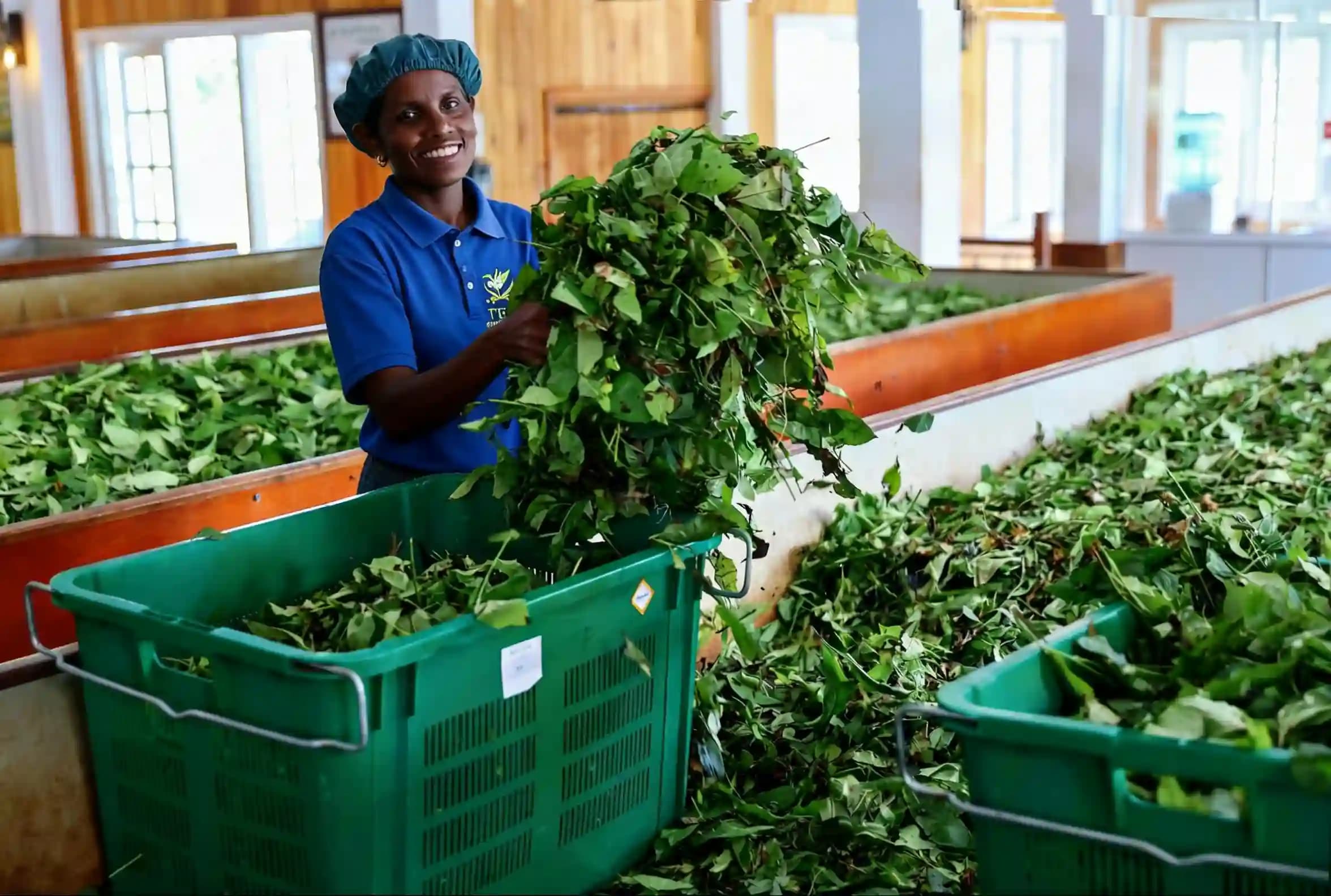
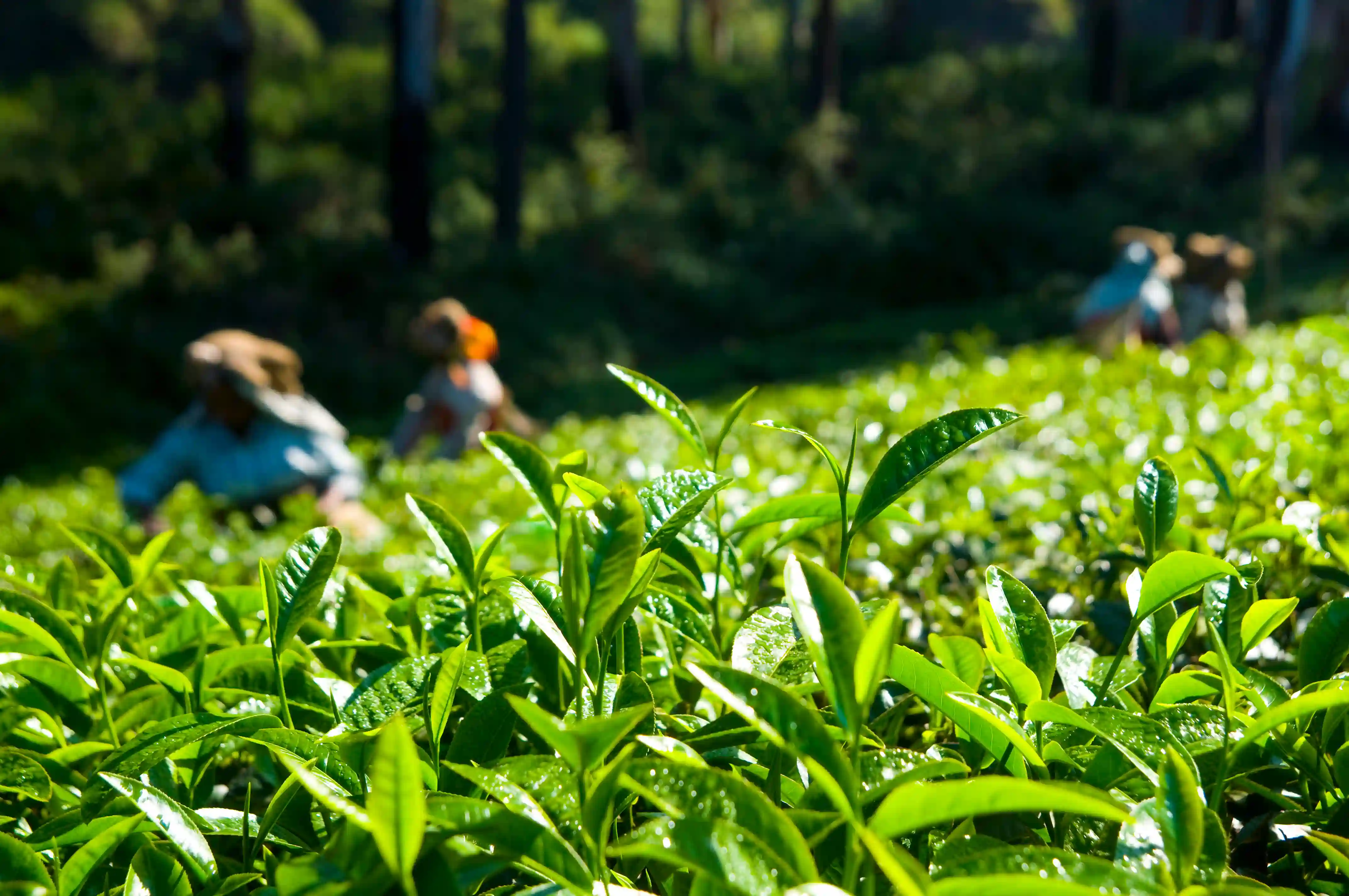
Kenya is the world's leading exporter of black tea, with over 650,000 smallholder farmers—largely organized under KTDA—and more than 60 processing factories.
This scale presents a unique opportunity to reposition the sector from a commodity export system to a high-value, climate-aligned and circular industry.
Our Mandate
We work across the entire tea value chain—from farm to processing, packaging, export, and post-consumption systems—delivering cradle-to-grave transformation.
We don't believe in circularity — we engineer it. Every engagement delivers measurable outcomes in cost reduction, revenue creation, and market access.
Our Focus
Unlocking value in four high-impact areas
Market Access
EU Market Access & Compliance
- •The EU remains a critical premium market for Kenyan tea
- •New regulations (EUDR, ESG disclosures) are raising compliance thresholds
- •Non-compliance risks market exclusion and price penalties
Outcome: We enable traceability, reporting, and compliance systems that secure and enhance market access.
Energy
Energy Transition in Tea Processing
- •Tea processing is highly energy-intensive (withering, drying, fermentation)
- •Many factories rely on wood fuel, creating cost and deforestation pressures
- •Rising energy costs are eroding margins
Key interventions:
- Biomass optimization (tea prunings, briquettes, agri-waste)
- Solar and hybrid systems
- Energy efficiency improvements
Outcome: Lower costs, reduced emissions, and alignment with net-zero supply chains
Finance
Carbon Markets & Climate Finance
- •Kenya has strong potential for nature-based and energy-related carbon projects
- •Regenerative agriculture + energy transition = high-integrity carbon credits
Key interventions:
- Carbon projects across smallholder systems
- MRV (measurement, reporting, verification) frameworks
- Access to voluntary carbon markets
Outcome: New revenue streams tied to sustainability performance
Circular Materials
Circular Materials & Waste Valorization
- •Tea production generates significant biomass and waste
- •Most of this remains underutilized or discarded
Key interventions:
- Packaging materials (fiber-based, biodegradable)
- Biomass fuels
- Industrial inputs
Outcome: Local manufacturing, reduced imports, and new circular industries
How We Work
The Circular Tea Value Chain Model
We apply a structured, end-to-end transformation model across every node of the tea value chain
Regenerate
Soil health and regenerative agriculture• Agroforestry and carbon sequestration• Smallholder capacity building
Optimize
Energy transition (biomass, solar, hybrid systems)• Process efficiency and cost reduction• Low-carbon factory operations
Circularize
Waste-to-value systems• Circular packaging innovation• Industrial symbiosis
Verify
Traceability systems• ESG reporting (GRI, SASB, EU requirements)• Carbon accounting and MRV
Monetize
Carbon credit generation• Premium market access (EU and beyond)• Climate finance and investment structuring
Ready to engineer the transition?
We work with tea factories, KTDA entities, exporters, and investors. Engagements begin with a structured diagnostic of your value chain position and opportunity set.